KnE Top Picks for October 2025
On November 4, 2025
As the world continues to evolve, research is uncovering new ways to balance progress, health, and sustainability across different fields. This month’s featured studies explore how modern medicine and technology can enhance patient care, how renewable energy could reshape heavy industries, and how traditional healing practices continue to inform cultural identity and well-being. Collectively, these studies reflect a shared pursuit of innovation that respects both human experience and environmental responsibility.

Can Neuraltherapeutic Medicine Offer Relief for Long COVID Symptoms?
Even after recovering from COVID-19, many people continue to face persistent symptoms, collectively known as Long COVID or post-acute COVID-19 syndrome (PACS). These can include fatigue, dizziness, and nerve-related issues such as irregular heart rate or digestive problems. Studies suggest that these ongoing symptoms may stem from neuroinflammation and disruptions in the body’s autonomic nervous system. This is where Neuraltherapeutic Medicine (NTM) comes in. NTM is a medical approach that aims to restore balance in the nervous system by identifying and calming areas of nerve irritation that may be affecting the body’s overall function.
In a recent case study in the Dubai Medical Journal, a patient treated with NTM for Long COVID showed significant improvement in energy levels and overall well-being, suggesting that this gentle, holistic therapy may hold promise for managing lingering post-COVID symptoms.

Is Binge-Watching Just a Hobby or a Way to Escape Reality?
After a long, stressful day, few things feel as relaxing as sitting back and watching your favourite show. Streaming platforms make it easy to keep hitting “next episode,” turning a quick break into hours of viewing. But psychologists suggest that this habit, known as binge-watching, can sometimes go beyond entertainment as it can become a form of escapism, avoiding stress, responsibilities, or uncomfortable emotions. Escapism itself isn’t inherently bad. Watching TV can be a healthy way to unwind and recharge. However, when it becomes excessive, it can lead to problems like poor sleep, lower mood, and emotional imbalance.
A recent study from KnE Social Sciences explores how young adults turn to binge-watching as a coping strategy to escape daily pressures.

Can Traditional Medicine Still Shape Modern Healthcare?
Across the world, traditional healing practices continue to influence how communities understand health and wellness, and Sudan is no exception. Over decades of fieldwork, researchers have documented the country’s diverse medical traditions, from herbal remedies to spiritual healing, revealing a system that has evolved alongside modernisation yet remains deeply rooted in cultural belief. Understanding traditional medicine isn’t just about understanding the past; rather, it’s about preserving valuable knowledge that continues to shape how people heal today.
A study from the Sudan Journal of Medical Sciences highlights that traditional Sudanese medicine is a living practice that bridges the gap between ancient knowledge and modern healthcare. By comparing it with complementary and alternative medicine and Western biomedicine, the study explores both its enduring strengths and its challenges, such as regulation, safety, and standardisation.

Can the Cement Industry Go Green?
As cities expand and infrastructure demands grow, the environmental cost of progress becomes harder to ignore. Cement, an essential ingredient in construction, plays a role in this balance, accounting for roughly 6–7% of global carbon emissions. Most of these emissions come from the chemical breakdown of limestone during production (60%) and the burning of fossil fuels to heat kilns (around 40%). With global cement production projected to jump from 3.4 billion tons in 2015 to 8.2 billion tons by 2030, the pressure to find sustainable solutions is mounting.
This recent study from the Journal of Excellence in Wellness and Environmental Studies focuses on the UAE’s cement industry, examining how renewable natural gas and electricity could cut emissions using the Greenhouse Gases, Regulated Emissions, and Energy Use in Technologies (GREET) life-cycle assessment tool.
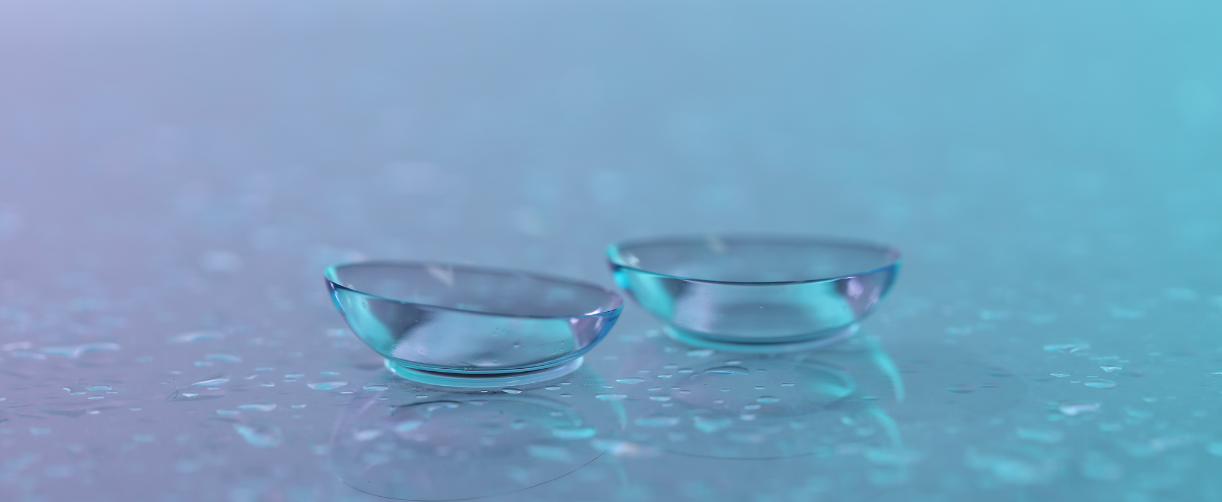
Do Different Contact Lens Materials Affect Eye Comfort?
For millions of people, contact lenses are a convenient alternative to glasses, but they can sometimes cause discomfort, dryness, or blurry vision. This happens because contact lenses divide the tear film into two layers, thinning the outer one by about 2 to 7 micrometres and changing its composition. These shifts can make the tear film less stable and increase evaporation rates by up to 2.6 times compared to eyes without lenses. Factors like blinking habits and the type of material (hydrogel or silicone hydrogel) also play a key role in comfort and tear film behaviour.
A recent study from the Journal of Ophthalmic and Vision Research compared how these two common lens materials affect tear stability, lipid layer thickness, and evaporation.