KnE Top Picks for May 2026
On May 30, 2026
As societies continue to evolve, research is offering new perspectives on the factors that shape health, wellbeing, education, and community life. The studies featured here span a wide range of topics, from healthcare delivery in underserved regions and eye health, to ageing in digital spaces, sustainable tourism, and the role of technology in learning. These topics share a common focus: understanding how people respond to changing environments, systems, and expectations. Together, they highlight the importance of accessible healthcare, inclusive innovation, and community-centred approaches, while providing insights that can help improve quality of life and support more informed decisions across diverse settings.
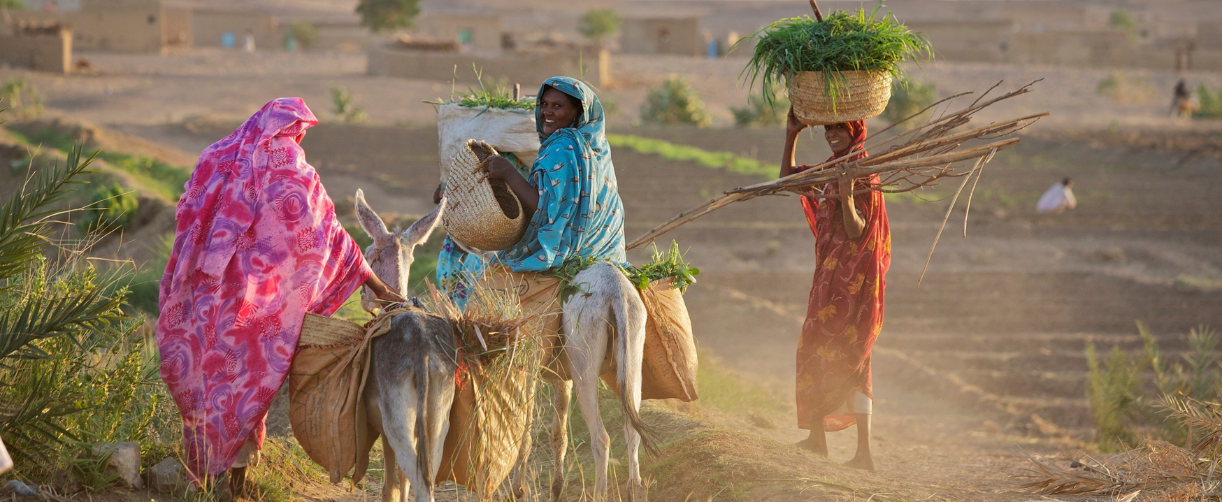
What Happens When Healthcare Reaches Communities Cut Off by Crisis?
Access to healthcare is something many people rely on without a second thought, but in conflict-affected regions, even basic medical services can become difficult or impossible to reach. When healthcare systems are disrupted, communities often face shortages of medicine, limited access to doctors, and growing risks from untreated illnesses and disease outbreaks. Rural areas tend to be hit the hardest, especially where services were already limited before a crisis began. In these situations, humanitarian medical missions can play an important role by providing urgent care, supplies, and support to local healthcare workers. Beyond immediate treatment, these efforts can also help identify ongoing health needs and highlight gaps in access to care. Understand what communities are experiencing on the ground is essential for improving future responses.
This study from the Sudan Journal of Medical Sciences reflects on a short-term medical mission conducted in rural Sudan following major disruptions to the country’s healthcare system.

Are Older Adults Redefining Ageing Through Social Media?
Social media is often associated with younger generations, fast trends, and constantly changing online culture. But digital spaces are becoming more diverse, with people of all ages using platforms not just to consume content, but to create it. As technology becomes more embedded in daily life, ideas around who belongs online and what creativity looks are starting to shift. For older adults, social media can offer more than entertainment. It can become a space for self-expression, connection, and challenging stereotypes about ageing. By sharing experiences, hobbies, humour, and everyday life, older creators are showing that creativity and adaptability don’t disappear with age. In some cases, they’re even building large audiences and reshaping public perceptions of what ageing looks like.
This study from KnE Social Sciences explores how older adults use social media platforms like TikTok to express creativity and engage with others.

Can ChatGPT Improve Dental Education or Complicate It?
Artificial intelligence (AI) is becoming part of everyday life, and education is no exception. In fields like healthcare education, where learning involves both theory and practical decision-making, these technologies are creating new opportunities, but also new concerns. Tools like ChatGPT can support personalised learning, simplify difficult concepts, generate practice questions, and provide quick access to information. For students, this may make studying more flexible and interactive. For educators, AI could help streamline certain teaching tasks and supplement learning materials. At the same time, questions remain around accuracy, overreliance, academic honesty, and whether frequent AI use may reduce critical thinking or independent problem-solving.
This study from the Dubai Medical Journal explores how dental students and academic staff perceive ChatGPT’s role in education and research, while also examining ethical considerations and what AI integration could mean for future curriculum development.

How Does Infertility Affect Mental Health and What Helps People Cope?
Infertility is often discussed in terms of physical health and medical treatment, but its emotional impact can be just as significant. For many individuals and couples, difficulties with conception can bring uncertainty, stress, and feelings of isolation. In societies where parenthood is closely linked to social expectations, these pressures may become even more intense. Research has shown that infertility can affect emotional wellbeing in many ways, contributing to anxiety, sadness, lowered self-esteem, and increased stress. At the same time, People respond to these challenges differently depending on the coping strategies they use and the support systems available to them. Support from family, friends, and healthcare providers can play an important role in reducing emotional strain. Understanding healthy coping mechanisms may also help individuals manage stress more effectively during treatment or uncertainty.
This study from the International Journal of Reproductive BioMedicine examines the relationship between coping strategies and symptoms of depression and anxiety among women experiencing infertility, with the aim of better understanding emotional wellbeing in fertility care settings.

Can Everyday Snacks Help Support Better Blood Sugar Control?
As rates of diabetes continue to ride worldwide, conversations around prevention are increasingly focusing on something simple but important: diet. The foods people eat everyday can influence blood sugar levels, energy balance, and long-term health outcomes. This has led researchers to explore healthier alternatives to common snacks, especially options that combine nutrition with convenience. Foods rich in fibre, plant compounds, and slower-digesting carbohydrates are often linked to steadier blood sugar responses. Ingredients such as legumes and colourful vegetables have attracted attention for their potential role in supporting metabolic health. There is also growing interest in using locally available foods to create healthier products that are both nutritious and accessible. Snack bars, often designed as quick energy sources, are being reimagined as functional foods with added health benefits. Rather than focusing only on calories, researchers are examining how ingredients might contribute to blood sugar regulation.
This study from KnE Life Sciences explores snack bars made from green beans and purple sweet potatoes, investigating their nutritional properties and potential role in helping prevent spikes in blood sugar associated with diabetes risk.

Could a Spine Check Prevent Complications Before Brain-related Surgery?
As people age, different health conditions can begin to overlap in unexpected ways. A problem affecting the brain may also be connected to changes in the spine, making diagnosis and treatment more complicated than they first appear. This is one reason why thorough evaluations before surgery can be so important, especially in older adults. One condition often seen in older people is normal pressure hydrocephalus (NPH), where excess fluid builds up around the brain and may lead to symptoms such as difficulty walking, memory problems, and loss of bladder control. A common treatment is lumboperitoneal (LP) shunting, a procedure that places a small tube to drain excess fluid from around the lower spine into the abdomen, helping reduce pressure. However, age-related spinal issues, such as spinal stenosis, a narrowing of spaces in the spine that can compress nerves, may interfere with treatment. This can sometimes lead to radiculopathy, meaning nerve pain, weakness, or numbness radiating through the body.
This case report from the Journal of Spine Practice describes an older patient whose initial tests suggested LP shunting would help, but severe spinal narrowing later complicated the outcome.

Do Housing and Marriage Policies Strengthen Family Stability in the UAE?
Families play an important role in shaping communities, preserving cultural identity, and creating long-term social stability. In the UAE, family has historically been viewed as a cornerstone of society, closely connected to tradition, national identity, and social cohesion. But as lifestyles, economic pressures, and expectations evolve, so do the needs of younger generations navigating marriage and family life. Over the past few decades, rapid modernisation has changed how people approach work, housing, finances, and relationships. While marriage remains highly valued, challenges such as rising living costs and changing social expectations may influence decisions around starting families. Governments increasingly respond through policies designed to ease these pressures, including financial support, affordable housing initiatives, and marriage programmes. The effectiveness of this measure, however, raises important questions: do support systems keep pace with changing realities, and do they address what families need today?
This study from the Gulf Education and Social Policy Review evaluates long-standing UAE family support policies to explore their role in encouraging family formation.

How Do Our Eyes Compensate for Vision Differences?
Vision is more complex than simply being near- or far-sighted. The way our eyes process light involves tiny optical imperfections, sometimes called “aberrations,” that can affect how clearly we see. Some of these are common issues, like difficulty focusing or astigmatism, while others are more subtle distortions that influence sharpness, contrast, or visual quality. Interestingly, the eye can sometimes compensate for these irregularities on its own, helping maintain clearer vision than expected. Advances in eye imaging technology are allowing researchers to look beyond standard vision tests and better understand how different parts of the eye work together. This knowledge could improve personalised treatments, contact lens design, and even vision correction surgeries.
This study in the Journal of Ophthalmic and Vision Research explores optical differences among near-sighted (myopic), far-sighted (hyperopic), and normal vision (emmetropic) eyes.

Can Better Transportation Help Ecotourism and Local Communities Thrive?
Tourism is often seen as a way to boost local economies, create jobs, and showcase a region’s culture and natural beauty. But beyond successful tourist destinations are many factors people don’t always think about, such as transportation, infrastructure, and support for local businesses. Even places with strong tourism potential can struggle to grow if visitors face challenges reaching them or if surrounding communities do not benefit from development. As sustainable travel gains more attention, ecotourism has become an important approach that balances environmental protection, community involvement, and economic growth. At the same time, creative industries, such as local crafts, food, and cultural products, can play a key role in strengthening tourism experiences and supporting livelihoods.
This study in KnE Engineering explores the development of ecotourism in Indonesia.

Could Poor Sleep Be Affecting More Than Just Energy Levels?
Sleep is closely connected to overall health, influencing everything from concentration and mood to immune function and physical recovery. When sleep patterns are disrupted, especially over long periods, it can have unexpected effects on the body. For people who work night shifts or rotating schedules, maintaining healthy sleep habits can be particularly challenging, with consequences extending beyond fatigue. One area receiving growing attention is eye health. Dry eye disease, a condition that causes irritation, discomfort, blurred vision, or the feeling that something is stuck in the eye, affects millions worldwide. Emerging research suggests that poor sleep may contribute to worsening symptoms by disrupting tear production and reducing the eye’s ability to recover and stay lubricated.
This study from KnE Medicine investigates the relationship between sleep quality and dry eye symptoms among shift workers in a hospital setting.