KnE Open Top Picks for July 2025
On July 29, 2025
As we strive to understand and improve the many systems that shape our daily lives, research continues to shed light on the complex factors behind health, learning, and sustainability. This month’s featured studies explore a range of human experiences, how we teach and learn in evolving digital spaces, and how environmental and occupational conditions affect our health. From maternity fashion choices to cataract risks, these studies reflect the growing awareness that well-being is shaped by both personal choices and broader structural forces.
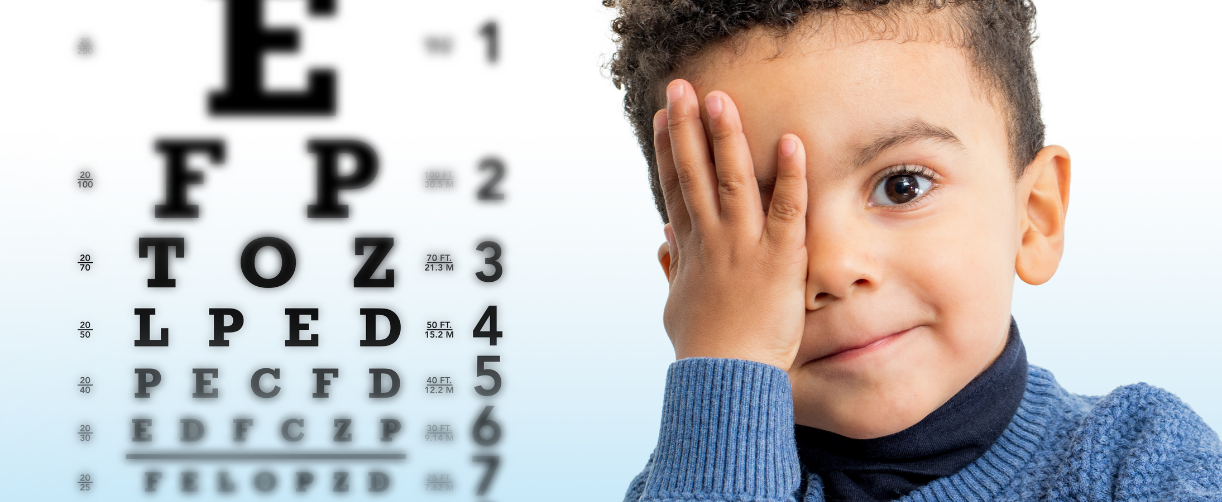
Are We Doing Enough to Catch Vision Problems in Schools?
Good eyesight plays a big role in how kids learn, grow, and thrive, both inside and outside the classroom. Yet, millions of children around the world go through their school years with undiagnosed visual impairments that could easily be corrected with a simple pair of glasses. In many underserved regions, limited access to eye care means these issues often go unnoticed, affecting academic performance and overall well-being. School-based screen programmes are proving to be a practical and impactful way to identify vision problems early and make timely corrections. These efforts are especially important in areas with limited health services, where such screenings might be a child’s only chance for care.
A recent study from Advances in Applied Nano-Bio Technologies looks at a remote region in eastern Morocco and highlights just how effective and necessary these programmes can be.
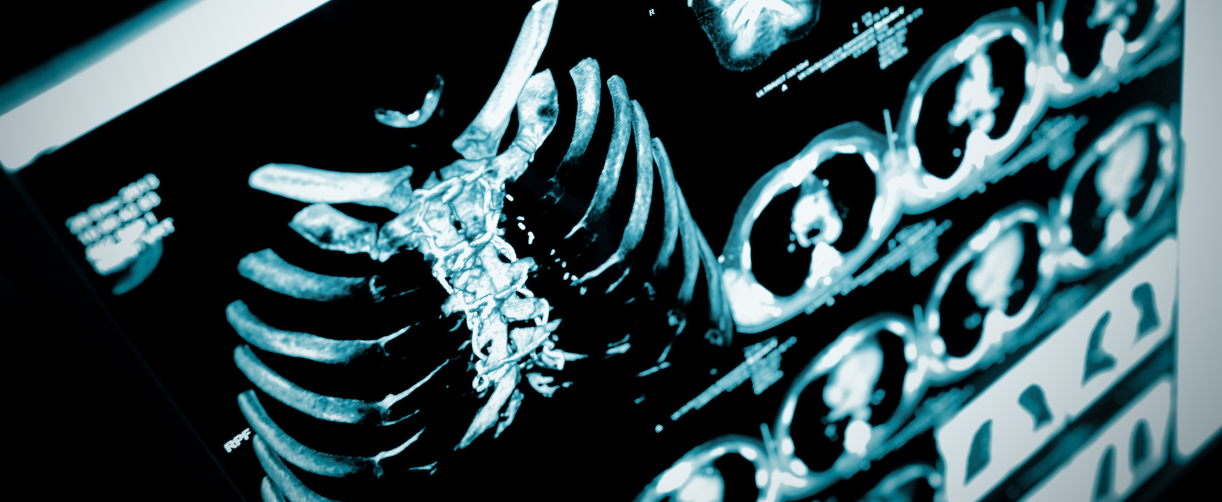
Can New Tech Help us Diagnose Rib Tumours More Effectively?
Technology is changing the way we detect and treat health conditions, especially when it comes to rare or hard-to-spot diseases. In the case of rib fibrous dysplasia—a type of benign bone lesion that can be difficult to identify—advanced imaging tools are offering doctors clearer insights. Traditional scans don’t always give a full picture, especially when tumours have unusual shapes or mimic other conditions, but with CT 3D reconstruction, doctors can now view high-resolution, three-dimensional models of the ribs, making it easier to see the tumour’s size, shape, and position. Artificial intelligence also plays a key role, boosting speed and accuracy by using smart algorithms to spot abnormalities that might otherwise go unnoticed.
This case report from Dubai Medical Journal explores how combining these two technologies improves diagnosis and supports better planning and personalised care for patients.
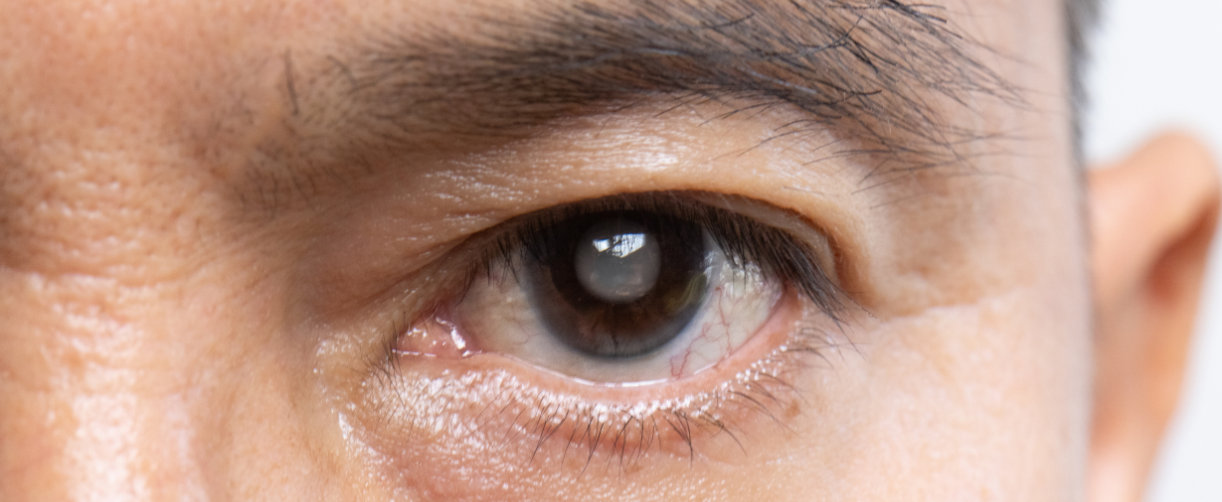
Can Workplace EMF Exposure Put Your Vision at Risk?
As our lives grow increasingly powered by electricity, concerns are rising about how long-term exposure to electromagnetic fields (EMFs) might affect our health, especially for people working near high-voltage lines. EMFs, which are produced by electricity transmission, have been linked in various studies to health issues ranging from cancer to neurological conditions. One lesser-known concern is their potential impact on our eyes. Since the eyes are sensitive to heat and lack the blood flow needed to regulate temperature, they may be particularly vulnerable to damage from EMF exposure. Cataracts, the leading cause of blindness worldwide, are known to develop from multiple risk factors, including age, UV light, and possibly EMFs.
To better understand this link, a study from the Journal of Ophthalmic and Vision Research examined the prevalence of cataracts among workers at Zahedan Electricity Company in Iran who are regularly exposed to low-frequency EMFs.

Can Environmental Awareness Make Maternity Fashion More Sustainable?
In today’s fast-paced fashion industry, sustainability is gaining ground, but one area often overlooked is maternity wear. Designed for a short window of time during pregnancy, maternity clothes typically have a quick turnover, leading to overconsumption and increased waste. As more women balance professional and social commitments throughout pregnancy, the demand for stylish yet temporary clothing continues to grow. With this rising demand comes a need to rethink how we consume and produce maternity wear.
This study from KnE Engineering takes a closer look at how environmental awareness shapes purchasing choices among maternity wear consumers in China.

What can we do to Reduce Heart Disease?
Cardiovascular diseases continue to be a major cause of death worldwide, especially in low- and middle-income countries where access to healthcare is often limited. These conditions not only strain health systems but also lead to premature deaths that could often be avoided with early intervention, better care, and improved public health strategies. In recent years, more attention has been given to the concept of avoidable mortality—deaths that could have been prevented with timely and effective healthcare. This perspective helps policymakers understand where healthcare systems are falling short and how to target the areas most in need of improvement.
A recent study from the West Kazakhstan Medical Journal looks at avoidable deaths from cardiovascular disease in Kazakhstan’s Aktobe region.